The European Union has taken another step toward addressing forced labor in global supply chains, following the release of new guidance on implementing its Forced Labor Regulation. However, Human Rights Watch and 12 other civil society organizations and trade unions say additional measures are necessary to ensure the rules effectively protect workers and prevent goods produced through forced labor from entering the European market.
Adopted in May 2024, the EU regulation is scheduled to take effect in December 2027. It will empower the European Commission and national authorities to prohibit the import and export of products made entirely or partly through forced labor. Effective enforcement could encourage businesses to identify labor abuses and eliminate them throughout their supply chains.
Forced Labor Remains a Global Concern
Labor exploitation continues to affect workers across different industries and regions, including migrant workers employed in sectors such as fashion manufacturing and seasonal agriculture in Europe.
According to estimates from the International Labour Organization (ILO), approximately 17.3 million people were subjected to forced labor in the private sector worldwide, based on 2021 data. A further 3.9 million people were affected by state-imposed forced labor. The ILO also estimated in a 2024 study that forced labor generates around US$63.9 billion in annual profits for businesses operating in the private sector.
These figures highlight the scale of the problem and the need for stronger measures to hold businesses accountable for labor conditions within their supply networks.
New EU Guidance Establishes Enforcement Procedures
The European Commission published implementation guidance on June 26, outlining how EU institutions and national authorities should apply the regulation. The guidance explains how workers, trade unions and civil society groups can submit evidence of suspected forced labor, while setting out procedures for investigations and responses from companies and their suppliers.
The framework also emphasizes the importance of addressing harm suffered by affected workers. Authorities may request evidence showing whether companies have taken corrective action or provided compensation and other forms of remedy to victims.
In cases involving state-imposed forced labor affecting an entire region or country, investigations may also cover broader categories of products originating from the affected area. This approach could help authorities respond more effectively to widespread labor abuses.
Concerns Over Company Audits and Worker Protection
Despite these developments, human rights organizations argue that the guidance needs further improvements, particularly regarding how companies assess labor conditions in their factories and supplier networks.
One concern is the reliance on company audits to identify forced labor. Such assessments may fail to reveal workers’ actual experiences when auditors face conflicts of interest, factories conceal evidence, or employees are pressured to provide misleading information.
The organizations are calling for EU and national authorities to verify information submitted by companies against independent sources rather than relying solely on corporate assessments.
They also recommend that businesses consider the individual circumstances of affected workers when developing corrective measures. Factors such as gender, age, caste, literacy, religion and local working conditions can influence workers’ vulnerabilities and the assistance they need.
Risk Database Seen as a Key Next Step
Another priority is the completion of the European Commission’s Forced Labour Portal, which is expected to include a database identifying products, industries and regions associated with forced labor risks.
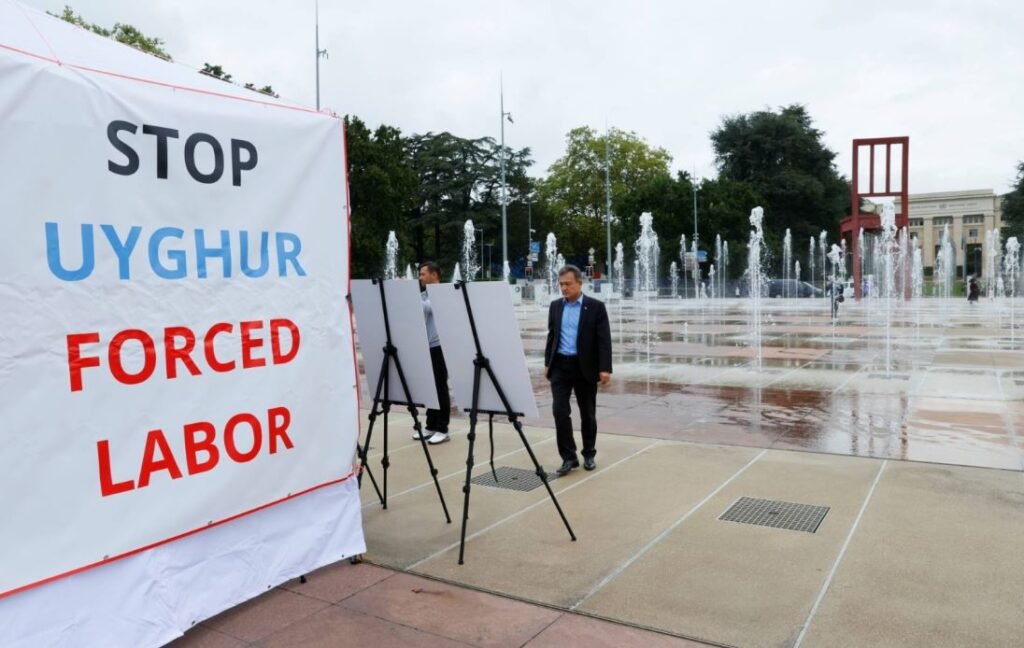
Human Rights Watch has urged the EU to include China’s Xinjiang Uyghur Autonomous Region, Turkmenistan and North Korea in the database as areas associated with concerns over state-imposed forced labor.
A comprehensive and evidence-based database could help authorities, businesses and other stakeholders identify potential risks and strengthen due diligence throughout international supply chains.
Effective Implementation Will Be Crucial
The EU’s forced labor regulation establishes a framework for preventing goods produced through forced labor from being traded in its market. However, the effectiveness of the legislation will depend on how consistently authorities investigate suspected violations, assess company evidence and ensure that affected workers receive appropriate remedies.
As preparations continue ahead of the regulation’s implementation in December 2027, human rights organizations are urging the European Commission to strengthen its guidance and enforcement arrangements.
The central challenge is to turn the regulation into an effective mechanism that protects workers, improves corporate accountability and reduces the risk of forced labor being embedded in global supply chains.
Source: Human Rights Watch, September 14, 2026. Read the original article.